95%
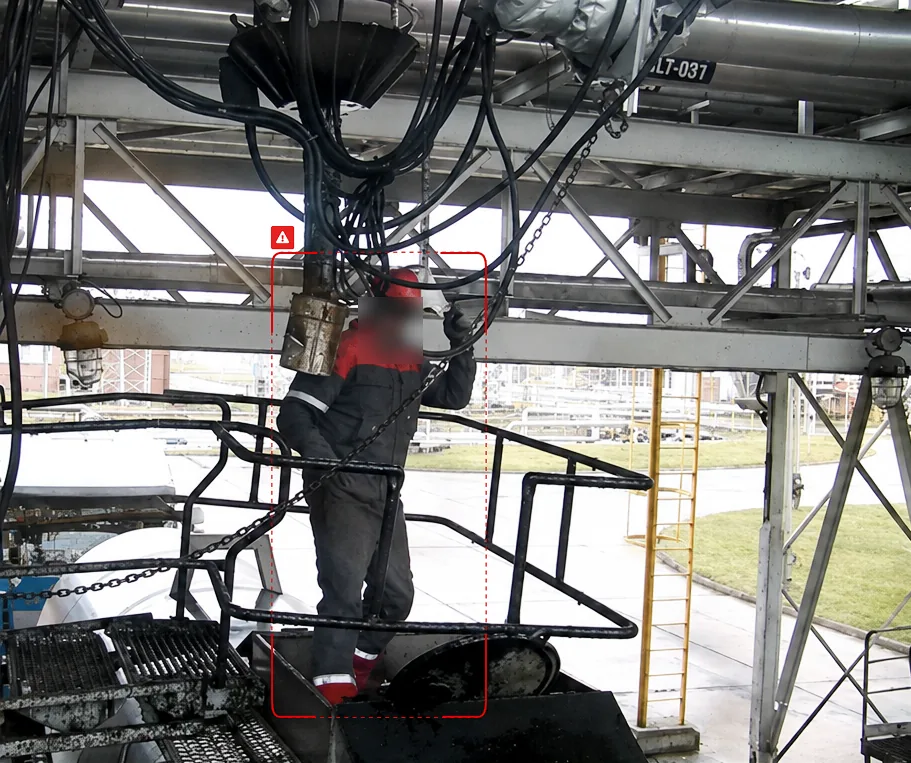
PKN Orlen, bitumen tanker loading
PPE detection on existing cameras at the loading bays. Compliance reached 95% after six months and total alerts fell 85%.
PPE detection
Surveily checks that helmets, hi-vis, gloves and face shields are worn where they are required, on the CCTV you already have. Rules are set per zone, and each alert shows where and when PPE was missing.
Only 30 minutes.
No commitment required.
Software only.Runs on ~95% of standard IP cameras.One GPU server per site.

Category: 'Rocketship: Innovations in GenAI'
Trusted by







In short
PPE detection software uses computer vision on existing CCTV to check whether required protective equipment is worn in a zone.Surveily checks for helmets, bump caps, gloves, hi-vis vests, face shields, hearing protection, face masks, safety glasses and protective sleeves, each set per camera and zone. It detects a condition, not a person. No facial recognition or biometric identification is used.
The problem
People behave differently on the day of an audit.
A manual audit covers one area on one day, often while people know it is happening. The score can look high while the next injury report still says required PPE was not worn.
At PKN Orlen's bitumen tanker loading, with material above 200°C and a real burn risk, continuous checks took PPE compliance to 95% in six months, with 85% fewer alerts. The change came from daily data and coaching, not from penalties.
Detection modules
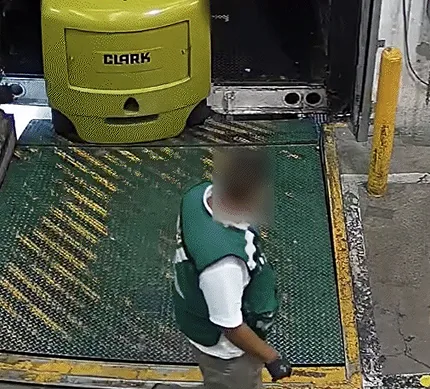
Hard hat worn where head protection is required.
Bump cap worn where it is required instead of a hard hat.
Required gloves worn, including anti-cut types.
Hi-vis clothing worn in traffic and shared zones.
Face shield or visor worn against splash, spark or impact.
Ear defenders or plugs worn in high-noise areas.
Respiratory or hygiene mask worn where required.
Safety glasses worn in eye-hazard zones.
Protective sleeves worn where arm protection is required.
Rules are set per zone, so a helmet rule does not fire in the canteen.
How it works
01
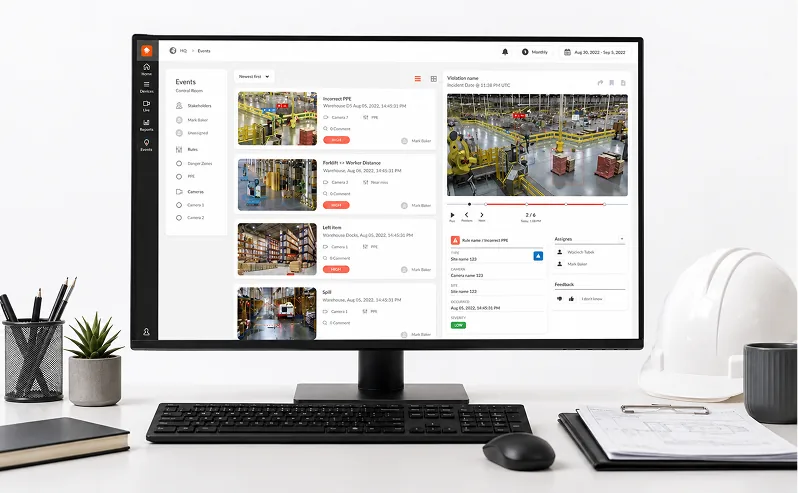
Surveily checks PPE on every configured camera and zone, all the time.
02
Severity depends on the zone. Missing hearing protection in a high-noise area comes before a missing glove at the door.
03
The right supervisor gets a de-identified clip by email, SMS or Microsoft Teams.
04
Weekly trends by zone and PPE type. The conversation is about the place and the pattern, never a named person.
Only 30 minutes. No commitment required.
Measured impact
PKN Orlen, bitumen tanker loading
PPE detection on existing cameras at the loading bays. Compliance reached 95% after six months and total alerts fell 85%.
Global steel producer, Polish site
PPE alerts fell 73% over six months.
Before, we felt like safety rules were just another box to tick. Now, we see how data helps us stay safe every day. The AI system makes it clear that safety isn't about penalties, it's about safety culture.
Privacy and security
A PPE event records that a helmet was missing in a zone at a given time. It does not record who. People are de-identified by default, before anything is stored or displayed, and raw footage is analysed in working memory.
European sites in heavy industry, chemicals and building materials, all running Surveily on the cameras they already had. No new hardware went in.
Surveily AI solutions have significantly supported our safety efforts - particularly in preventing near-miss incidents involving forklifts, maintaining order on vehicle routes and pedestrian pathways, and eliminating the use of mobile phones in restricted areas. The system provides us with real-time insight into on-site activities and enables quick response to potential hazards. It’s a tangible improvement in both operational visibility and our safety culture, which we highly value.

Employee safety is our top priority - especially in the demanding environment of chemical manufacturing. Implementing Surveily’s systems significantly enhanced our oversight in critical areas. Their cutting-edge technology enables faster threat detection and real-time data analysis, resulting in a measurable improvement in workplace safety. We value Surveily’s professionalism and are proud to partner with them in building a work environment that meets the highest industry standards.

We gained significantly better visibility and control over our expansive industrial site. Their innovative monitoring technology allowed us to effectively track vehicle movement and reduce hazardous driver behavior - particularly regarding the use of personal protective equipment and adherence to speed limits. As a result, we’ve enhanced safety for everyone working on-site. We firmly believe that partnering with Surveily is an investment that delivers tangible safety benefits.

Yes. Each PPE type is set per camera and per zone, including anti-cut gloves. A rule only fires where that PPE is required.
No. The event records the missing PPE, the zone and the time. People are de-identified by default, before anything is stored or displayed, and no identity is attached.
Accuracy is measured per camera and reported to you as part of the service. During the pilot we validate results openly against our calibration target.
A typical deployment takes around eight weeks. We assess your cameras, choose the PPE rules per camera and install the edge server.
Surveily never takes automated action against a worker, and events carry no identity. A person reviews every response. You are the data controller and decide how trends are used, in line with your works council agreement where you have one.
In 30 minutes, an engineer shows you Surveily on real, de-identified footage and tells you what it would detect on your site.
Schedule a demoOnly 30 minutes. No commitment required.
You remain the Data Controller. Surveily is the Processor.
