See workplace risks before they become incidents.
Turn the CCTV you already have into continuous, video-backed evidence of unsafe behaviours and near-misses. Spot risks manual observations miss, so your team can act before someone gets hurt.
Trusted by EHS teams worldwide.







“Now, we see how data helps us stay safe every day. The AI system makes it clear that safety isn’t about penalties, it’s about safety culture.”
Your safety reports can’t show you every risk.
Your team can’t be everywhere at once. Walk-rounds and incident reports capture what people see and record. Surveily uses your existing CCTV to surface unsafe behaviours and near-misses that might otherwise go unnoticed.


You already have the eyes. We give them intelligence.
Surveily turns your existing CCTV into a continuous source of safety insights. No new cameras, tags or wearables needed. Your team gets video-backed evidence of risk, ready to review and act on.
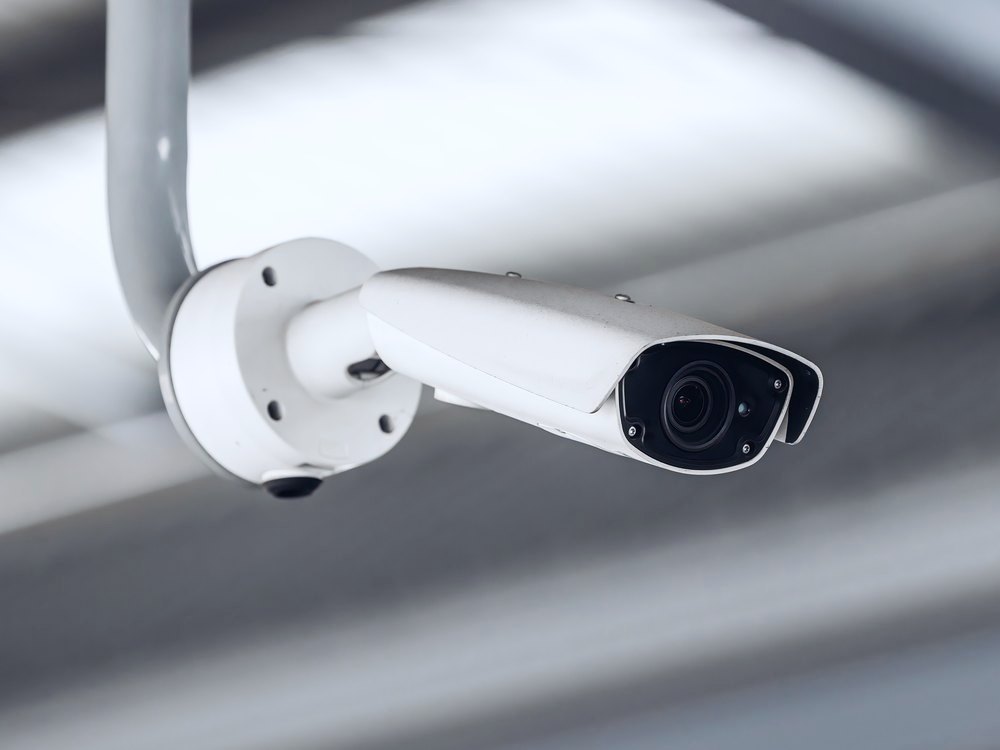
Connect the cameras you already have
Surveily connects to your existing IP cameras. Video is processed on a server at your site. The cameras themselves stay exactly as they are.
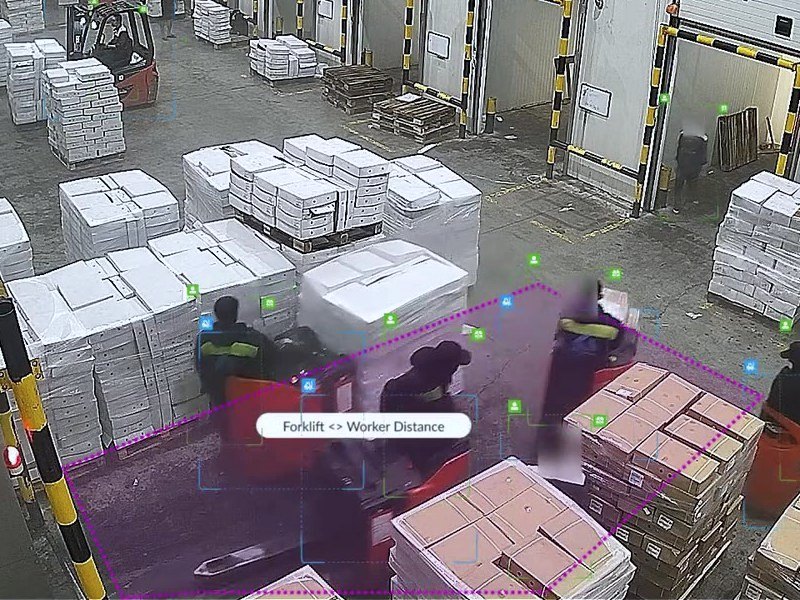
Spot risks as they happen
Unsafe behaviours, near-misses and unsafe conditions surface as video-backed events, tuned per camera to your rules and risk register.
Act on the events that matter
Surveily surfaces the event; your team decides. A named owner reviews the evidence, assigns a corrective action with a due date and follows it up in Intelex, Cority or Enablon.
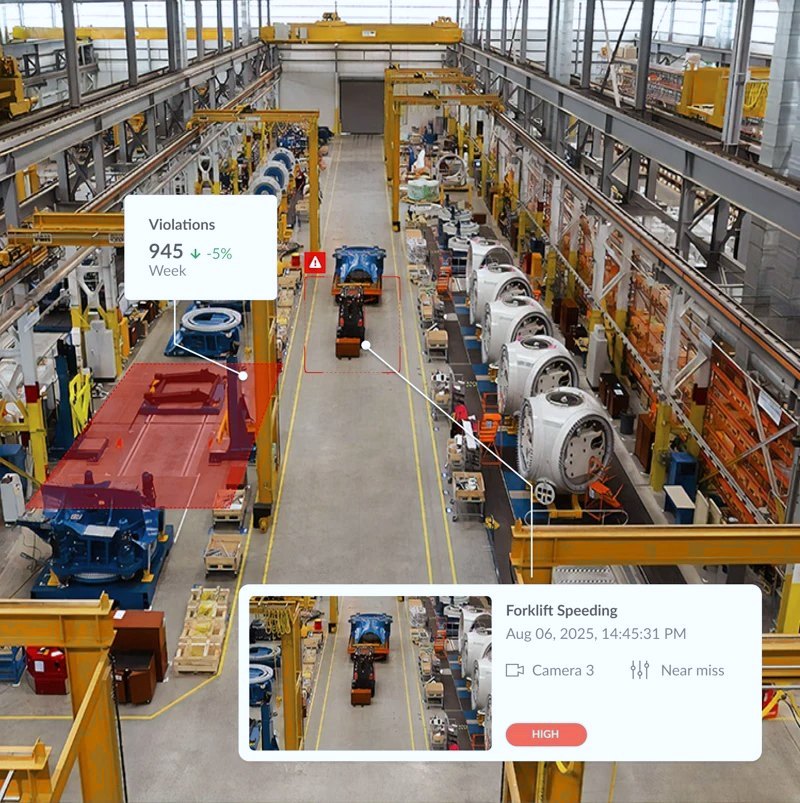
Illustrative screens and sample data. Surveily surfaces safety events for people to review and act on. It supports your team's judgement. It doesn't predict every incident, and never takes automated action against a worker.
See more risks. Know which ones need attention.
Your team doesn’t have time to investigate every alert. Surveily prioritises events by severity, site conditions and your safety rules, so the people who can intervene know where to focus first.
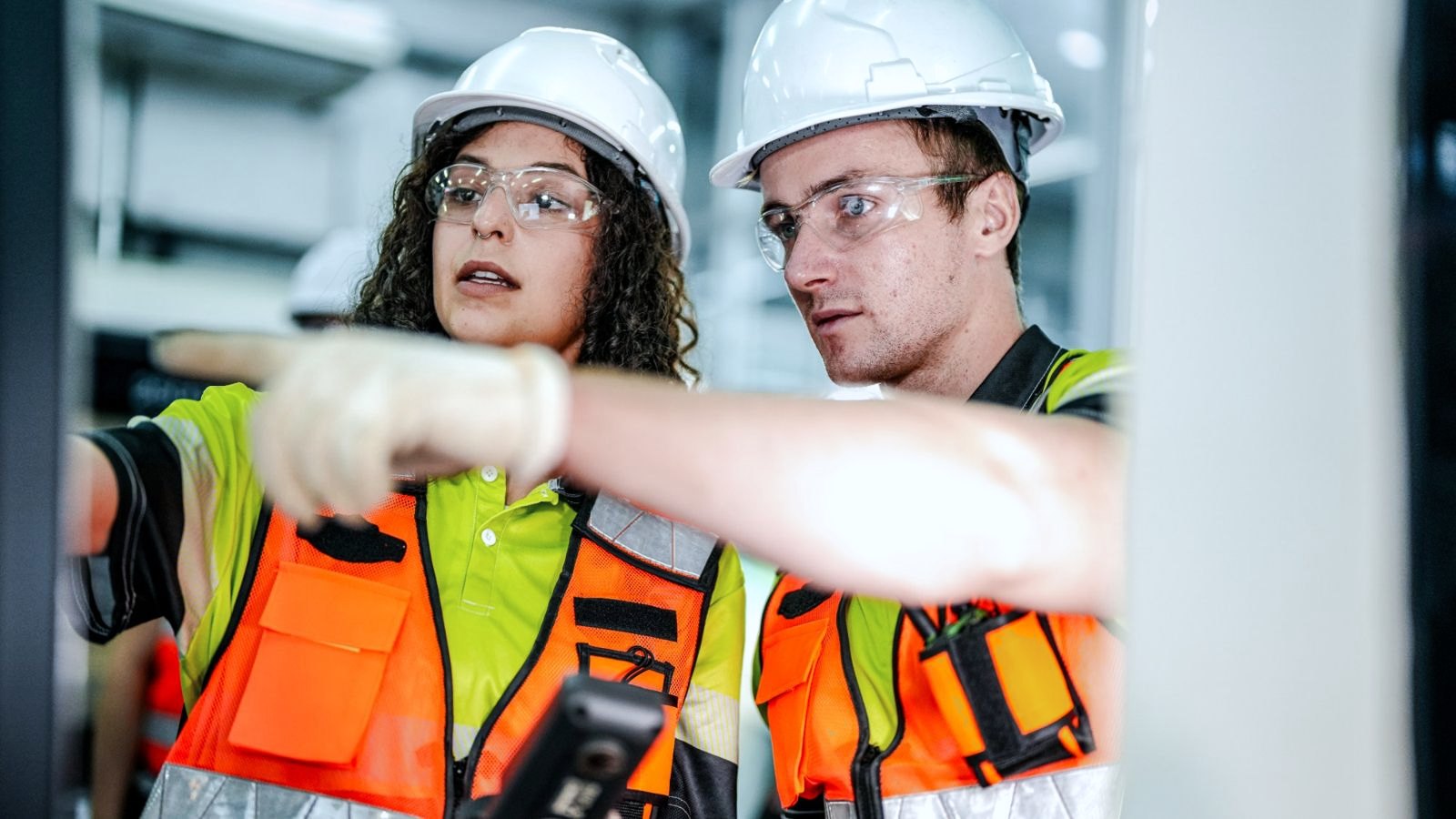
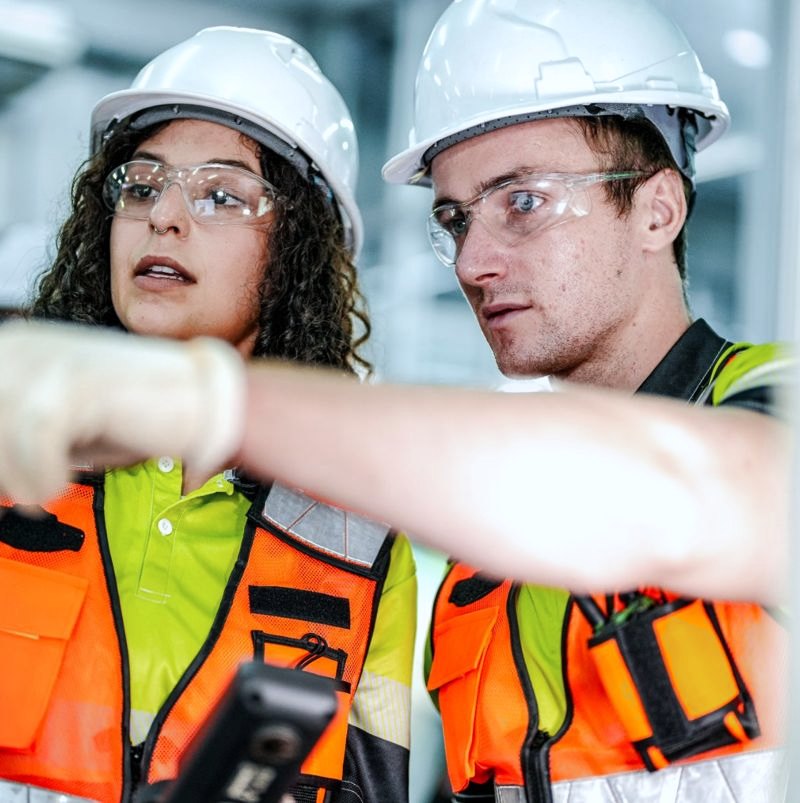
Which ones actually matter?
The serious risks rise to the top
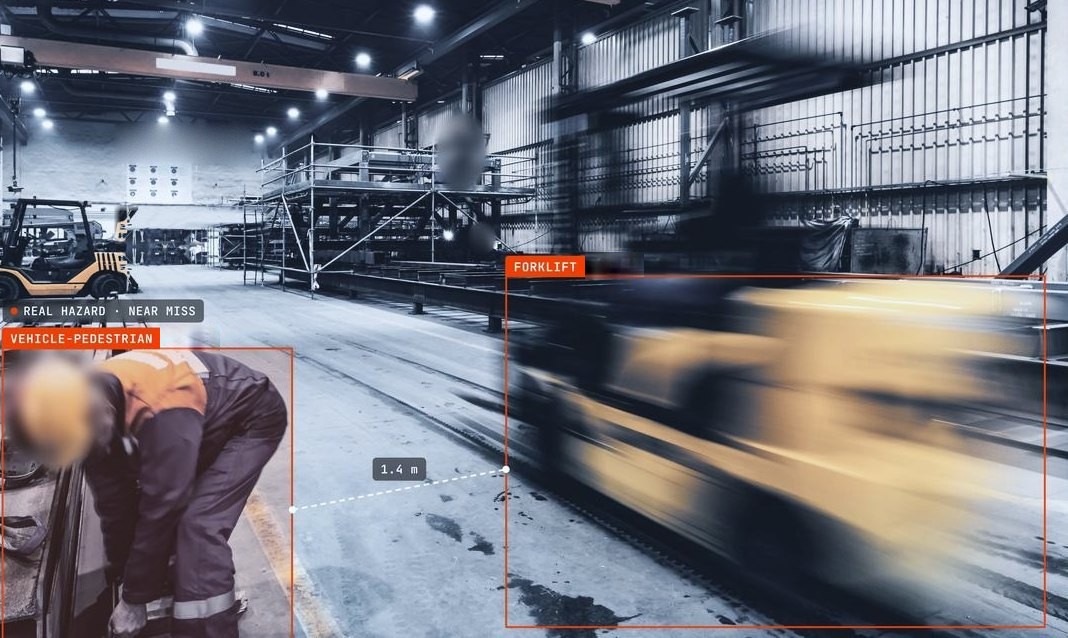
Vehicle-pedestrian proximity and line-of-fire events outrank minor deviations.
Your site decides what matters
Zone, shift and your own rules determine whether an event needs action here.
The right person, in seconds
Each priority event reaches the supervisor or EHS lead who can intervene.
A short list, kept short
Daily and weekly reviews close actions and keep attention on the top risks.
First you see more risk. Then you measure the decline.
When Surveily starts surfacing risks that manual observation missed, your recorded event count may rise. That gives your team a clearer starting point.
As corrective actions are taken, track how incidents and near-misses change against your baseline at 3, 6 and 12 months.
recorded vehicle incidents
Lime & cement producer · 3 sites, 50+ cameras · 24 months
PPE compliance
Orlen · refinery · 6 months
total detected risk events
PGNiG Termika · heat & power
forklift-pedestrian near-misses
Saint-Gobain · glass
Results measured within the stated scope. Not a guarantee.
One platform. Prevention across multiple safety risks.
Six detection families, each calibrated to your floor. Recognise your risk areas at a glance.
See risk, not identity.
Privacy starts in the processing layer, not in a policy PDF. Live feeds naturally contain identifiable people before masking; de-identification is applied by default, before anything is stored or displayed.
We can stop a machine. We never make decisions about a person.
Alarms and machine stops run through your systems. Responses to people stay with your team.
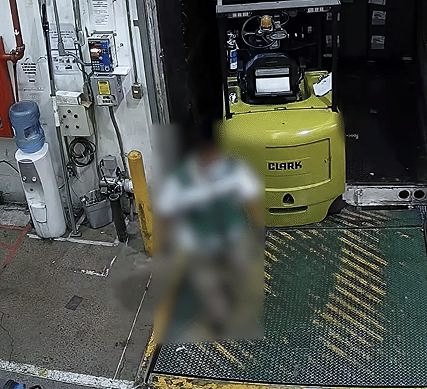
Your safety data. Your infrastructure. Your control.
Surveily runs on a server at your site, alongside your existing EHS system. Video is analysed and de-identified on your premises. You choose one of two deployment models:
Everything runs on a server at your site. Raw video never leaves it.
Video is still analysed on your site. Only anonymised event data and face-blurred clips go to your private cloud or an EU cloud. Raw video never leaves the site.
EU-domiciled, models built in-house, EU data residency by default.
What EHS leaders ask first
Won’t we drown in alerts?
No. Detection is calibrated to your site and events arrive prioritised by severity, inside a daily and weekly review rhythm.
Can Surveily predict every incident?
No. It surfaces defined safety events for your team to review and act on. Fewer incidents depends on that action, which is why results are measured against your own baseline.
Where does our video go?
Processing happens on your premises. In an on-premises deployment raw video never leaves the site; in hybrid mode only de-identified data reaches central reporting.
Can it identify individual workers?
No. There is no facial recognition, no biometric identification and no worker scoring. Feeds are de-identified before storage or display.
See what your cameras could reveal.
Book a demo using representative footage and a safety scenario relevant to your site. See how Surveily surfaces risks, prioritises events and gives your team evidence to act on.
